
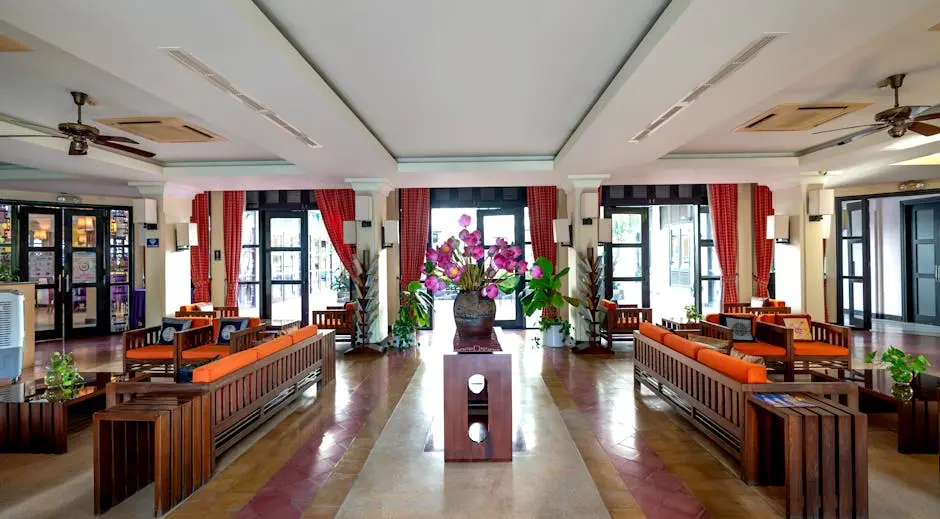

When it comes to creating an inviting and memorable experience for guests, the right furnishings play a crucial role. Whether you’re designing a cozy bed and breakfast or a bustling hotel lobby, selecting the right furniture can make all the difference. In this guide, we’ll explore the most important factors to consider when choosing hospitality furnishings to ensure your space is both functional and stylish.
Understanding the Role of Furnishings in Hospitality
Furnishings are not just about aesthetics; they affect the functionality and ambiance of the space. Understanding how different furniture pieces influence guest experience is vital. This section discusses the multifaceted role furnishings play in establishing a property’s identity and comfort levels.
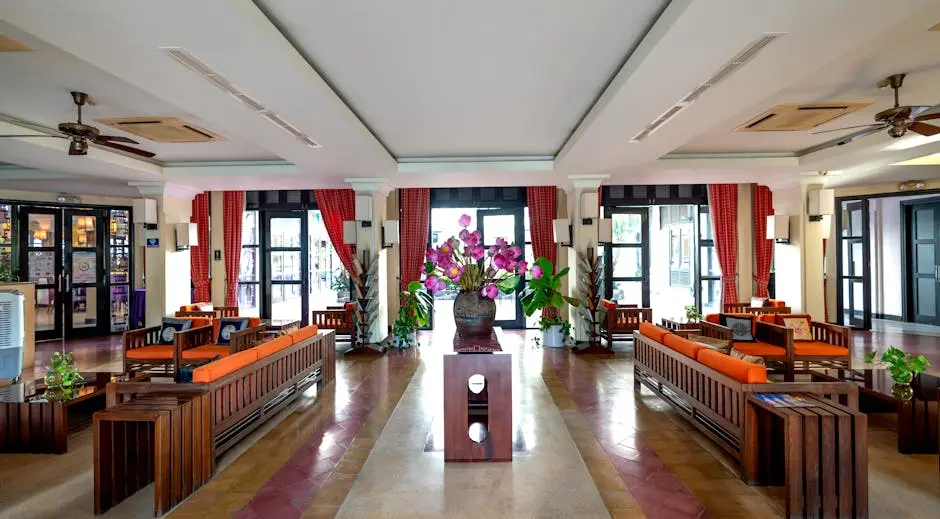
Consider first impressions when a guest walks into a hotel lobby. The choice of furniture sets the tone, communicating style and attention to detail. A plush sofa in the reception area invites guests to relax, while a sleek modern desk conveys efficiency and sophistication. These subtle messages can significantly impact a guest’s perception of the establishment, making them feel either welcomed or overlooked. Furnishings also define the space’s identity, whether you want to convey a rustic charm in a countryside inn or a cutting-edge vibe in a city hotel.
Prioritizing Durability and Quality
In hospitality, furniture must withstand frequent use while maintaining its appearance and comfort. Discover why investing in durable, high-quality materials is a cornerstone of hospitality furnishing choices and how this impacts long-term maintenance and guest satisfaction.
High-traffic areas, such as hotel lobbies and dining rooms, demand furniture that not only looks good but also stands the test of time. Opt for pieces that are crafted from resilient materials like stainless steel or hardwood, which offer both longevity and less wear and tear. Additionally, think about finishes that resist stains and scratches, ensuring that the inevitable occurrences of spills or bumps don’t detract from the appearance. Investing in robust materials isn’t just practical; it reduces long-term costs related to furniture repair or replacement.
Don’t overlook the importance of craftsmanship. High-quality joining techniques and professional upholstery work can significantly extend a piece of furniture’s life span, making it a worthwhile investment. Examine warranties and reviews from other hospitality businesses to ensure quality consistency in your selections.
Balancing Aesthetics and Functionality
A beautiful space is important, but it must also serve its purpose effectively. Learn how to strike the perfect balance between visual appeal and usability, ensuring that each piece serves a practical function without sacrificing the overall design theme.
The interaction between aesthetics and functionality is essential in hospitality environments. Yes, that eye-catching chandelier might draw admiration, but if it’s strung too low and bangs every head that passes by, it’s more a nuisance than a feature. Likewise, an elaborate dining table with a stunning marble top might look impressive, but if it’s too heavy to move for cleaning or versatile seating arrangements, its utility is limited. That’s why good design in hospitality combines beauty with practicality, ensuring that each piece enhances rather than hinders the space.
A strategically designed seating area, for example, can serve dual purposes: providing comfortable accommodation for guests and managing foot traffic flow during peak hours. Select modular seating that can be adapted to cater to varying group sizes or styles without disrupting design aesthetics.
Considerations for Different Spaces
From reception areas to guest rooms, different spaces have unique furnishing requirements. This section explores how to tailor your furniture choices according to the specific needs and functions of each area within a hospitality setting.
In reception areas, first impressions are crucial. Opt for furniture that immediately conveys your establishment’s brand—classic leather seating for timeless elegance, or bright, colorful chairs that echo a modern, lively appeal. It’s vital that these pieces are not just attractive but also comfortably support waiting guests, often for extended periods of time.
Guest rooms, on the other hand, should prioritize comfort and personal retreat. The choice of bedside tables, desks, and chairs should cater to the privacy and relaxation of your guests. Spaces for work or reading, such as a well-lit desk with an ergonomic chair, add indispensable functionality to the comfort-oriented setting. Don’t forget to integrate smart designs that let these rooms adjust quickly to various purposes, such as meetings, work, or leisure.
Trends in Hospitality Furnishing
Staying current with industry trends can set your property apart. Dive into the latest trends in hospitality furnishing and how these can be adapted to enhance guest experience and keep your design up-to-date.
One compelling trend capturing attention is the fusion of classic and contemporary elements. Imagine a traditional wooden table paired with sleek, minimalist chairs—a combination that acknowledges timeless elegance while embracing modern simplicity. This approach allows hoteliers to appeal to a broader demographic, offering a versatile aesthetic that feels inclusively luxurious.
Another emerging trend is the incorporation of technology in hospitality furnishings. From tables with built-in charging stations to adjustable smart beds, today’s furnishings are designed to cater to the tech-savvy guest. This seamless integration of technology not only enhances guest convenience but also showcases a forward-thinking brand identity, appealing to technologically inclined visitors.
Sustainability in Furnishings
With increasing awareness of environmental issues, choosing sustainable furniture is becoming essential. This section discusses the importance of eco-friendly furnishings and how they contribute to a greener, more responsible hospitality industry.
Sustainability in the hospitality industry is no longer just an option—it’s an expectation for conscientious guests. Opting for rattan, bamboo, or recycled materials not only reduces environmental impact but also aligns with the preferences of an eco-conscious clientele. Using certified sustainably-sourced woods or opting for furniture crafted from recycled fabric and plastics can significantly lessen your establishment’s ecological footprint.
Sustainable choices also extend to the production process. Prioritize furnishings from local manufacturers to cut down on shipping emissions and support community economies. Durable materials are sustainable by nature because they reduce the frequency of replacements, thereby minimizing waste over time, a key practice for any responsible business in the long run.
Making the Right Choice for Lasting Impressions
Choosing the right hospitality furnishings is a blend of practicality and aesthetics, requiring thoughtful consideration of both functionality and style. By prioritizing durability, comfort, and design, you can create a welcoming environment that not only meets the needs of guests but also enhances their overall experience. Remember, the right furnishings can turn a simple stay into an unforgettable one.



0 Comments