

Creating an office that not only suits your needs but also inspires productivity can be quite the task. With the right custom design, your workspace can become a haven of creativity and efficiency. Below, we explore some practical tips to help you craft a work environment that supports both your professional goals and personal comfort.

1. Embrace Natural Light for a Vibrant Atmosphere
Natural light is a game changer when it comes to office spaces. It enhances mood, reduces eye strain, and can even boost your energy levels. Position your workspace near windows and consider transparent or sheer window treatments to make the most of the sunlight.
If your office doesn’t have large windows, consider installing mirrors or light tubes that can help distribute daylight more effectively. Painting walls in lighter colors and choosing reflective surfaces for desks and other furniture can enhance the light within the space. A well-lit environment can significantly improve both the physical ambiance and the mental clarity needed for productive work.
2. Choose Colors That Motivate
Colors have a profound effect on our mood and productivity. Choose hues that inspire you; calming blues for focus, invigorating yellows for creativity, or greens for a sense of balance.
Incorporating color into your office can be as simple as painting an accent wall or as complex as adding colored furniture and decor. Different colors can evoke specific feelings and energies. For example, red can stimulate energy and passion, whereas purple can foster creativity. Select colors that complement your industry and personal taste while subtly influencing your work habits.
3. Design with Ergonomics in Mind
An ergonomic setup isn’t just about comfort but also about preventing fatigue and injuries. Invest in adjustable chairs and desks, monitor stands, and other tools that facilitate good posture and reduce strain.
Consider a standing desk to alternate between sitting and standing, reducing the risks associated with prolonged periods of sitting. Evaluate your workspace ergonomics regularly, adjusting equipment to suit your needs as they evolve. These adjustments will boost long-term comfort and productivity.
4. Incorporate Flexible Furniture Options
Flexibility in office design allows you to adapt your space as your work demands change. Opt for versatile furniture pieces like modular desks and shelves that can be reconfigured easily.
Furniture that serves multiple purposes, such as desks that transform into tables or shelves that can be extended or retracted, can optimize space and functionality. Investing in versatile fixtures is beneficial in creating a dynamic environment that supports varied daily activities.
5. Add Personal Touches to Inspire
Personalizing your workspace with items that motivate you — photographs, art, or awards — can inspire and make the space uniquely yours.
Your workspace should reflect your personality and style, as it can be a powerful tool for self-motivation. Incorporate elements that resonate with your personal achievements or aspirations and serve as a daily reminder of your goals.
6. Minimize Clutter for Mental Clarity
Clutter can be distracting. Keep your workspace organized with efficient storage solutions like filing cabinets and tidy cable management systems to keep focus on your tasks.
Organizing documents into digital formats and utilizing cloud storage can reduce paper clutter and enhance workplace efficiency. A clean, decluttered office space fosters clear thinking and stress-free work sessions.
7. Incorporate Greenery for Freshness
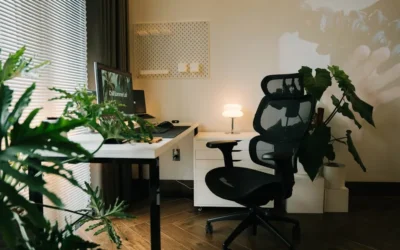
Adding plants to your office can purify the air, reduce stress, and bring a touch of nature indoors, making your office a more pleasant place to work.
Choose low-maintenance plants like succulents or snake plants if you’re worried about upkeep. These plants are resilient and do well in indoor settings, boosting air quality and adding aesthetic appeal to your workspace.
8. Invest in Quality Technology
Outdated or insufficient technology can hinder productivity. Ensure your office is equipped with technology that supports your work seamlessly, from high-speed internet to functional devices.
Cutting-edge technology, such as smart office devices, can streamline daily operations and enhance efficiency. Voice-activated assistants and energy-efficient gadgets can revolutionize your workflow.
9. Set Up a Dedicated Space for Collaboration
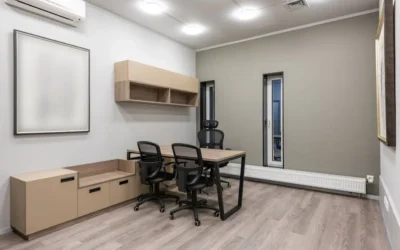
Even in a home office, having a space dedicated to collaboration can enhance teamwork and creativity. This can be a simple setup with extra seating or a communal table for brainstorming sessions.
Incorporating collaboration tools like whiteboards or video conferencing systems can enrich communication and innovation. These elements foster a spirit of cooperation and make remote partnerships more interactive, tapping into collective creativity.
10. Plan for Sound Control
Noise can be a significant disruptor in work environments. Consider soundproofing options like carpets, curtains, or acoustic panels to create a quiet and focused workspace.
Using background music or white noise machines can assist in masking distracting sounds, creating a more peaceful work atmosphere. Implement these sound management strategies to enhance concentration and reduce stress.




0 Comments