
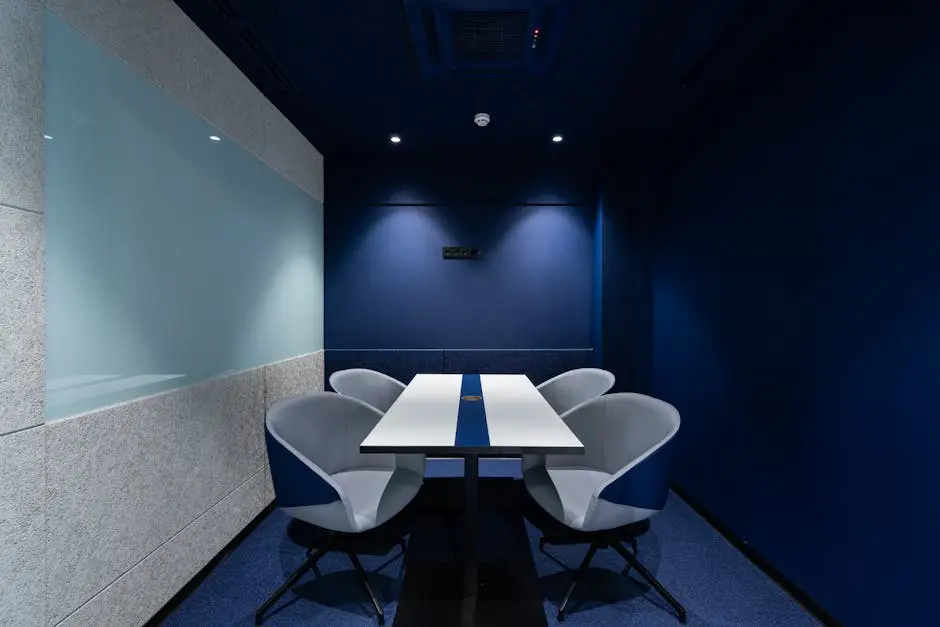
In today’s fast-paced work environment, the role of office furniture goes beyond mere functionality. With evolving design philosophies and an increasing focus on creating harmonious workspaces, staying updated with the latest trends in office furniture sets can significantly enhance both productivity and aesthetic appeal. Let’s explore the most notable trends in this dynamic field.

Trend 1: Ergonomically Designed Furniture
Ergonomics has taken center stage, where office furniture sets aren’t just about style but ensuring employees’ well-being. As we dive into work, we often forget how critical it is to have furniture that fits our body’s natural design. For instance, ergonomic chairs and adjustable desks have become staples in modern offices. These elements support better posture, reduce the risk of musculoskeletal problems, such as back pain, and improve comfort. This pursuit of comfort has companies seeking furniture that makes long hours enjoyable and productive.
The market’s demand for ergonomic furniture is driven by a growing awareness about health at the workplace. Incorporating items like sit-stand desks can contribute to a healthier lifestyle by allowing users to alternate between sitting and standing positions throughout the workday. Such flexibility is not just a trend but a commitment to improving physical health in the workplace.
Trend 2: Sustainable and Eco-friendly Materials
In 2024, the focus on sustainability continues to shape the landscape of office furniture design. With an increasing number of companies prioritizing environmental responsibility, sustainability in office furniture is more than just a trend—it’s a necessity. Products made from recycled or renewable resources, such as reclaimed wood or recycled plastics, are gaining popularity. Eco-friendly materials not only reduce carbon footprints but also promote a corporate ethos of sustainability that resonates with clients and employees alike.
A crucial element of sustainable office furniture is longevity. Investing in durable, high-quality pieces reduces waste and ensures that the furniture can endure the test of time. Moreover, some companies are taking it a step further by offering buy-back programs to recycle and repurpose furniture, encouraging a circular economy approach that further emphasizes environmental responsibility in the corporate world.
Trend 3: Hybrid and Flexible Workspaces
In the era of flexible working arrangements, hybrid workspaces have become essential. The rise of remote work has propelled furniture designs that cater to evolving work environments. Modern office spaces are now integrating furniture that adapts to various functions, supporting both individual tasks and collaborative efforts. Versatile workstations that can be easily reconfigured are increasingly sought after as they allow for seamless transitions between different work activities.
This trend towards hybrid workspaces highlights the need for furniture that doesn’t bind employees to one location. Modular storage solutions and multi-purpose tables are becoming common, as they enhance the functionality and adaptability required in modern offices. By incorporating these elements, companies create dynamic spaces that foster innovation and collaboration without compromising comfort.
Trend 4: Technology Integration in Furniture
As technology rapidly evolves, its seamless integration into office furniture becomes a game-changer. Desks with built-in wireless charging capabilities and smart chairs with sensors that remind employees to maintain proper posture exemplify this trend. Such innovations enhance the functionality of furniture and streamline everyday tasks, eliminating clutter and improving efficiency.
The push towards tech-savvy furniture reflects wider technological trends aiming to create smarter, more connected office environments. This integration is not just about adding gadgets; it’s about enhancing the user’s experience and ensuring that technology is effectively bolstered by the physical workspace. With these advancements, businesses are more equipped to meet the needs of a tech-driven workforce in a digital-first world.
Trend 5: Bold Colors and Aesthetics
Gone are the days of dull, monochromatic office space colors. Today, vibrant colors and daring aesthetics are redefining what it means to work in an inspiring environment. The use of bright, vibrant colors in office furnishings injects vitality and creativity into spaces previously dominated by muted tones. This trend not only enhances visual appeal but also promotes a lively and dynamic culture within the workplace.
Choosing bold colors and innovative designs can profoundly affect staff mood and productivity. Furniture pieces are now seen as extensions of a company’s brand and ethos, offering a way to communicate identity to both employees and clients. By thoughtfully selecting vivid colors that align with a company’s culture, organizations are creating spaces that resonate with energy and foster a sense of belonging.
Embracing the Future of Office Spaces
By embracing these trends, businesses can create more inviting, efficient, and impressive office spaces that cater to the needs of modern employees. Whether adopting sustainable practices, integrating technology, or creating flexible layouts, the right office furniture sets have the power to transform any workspace into a thriving environment.
0 Comments