
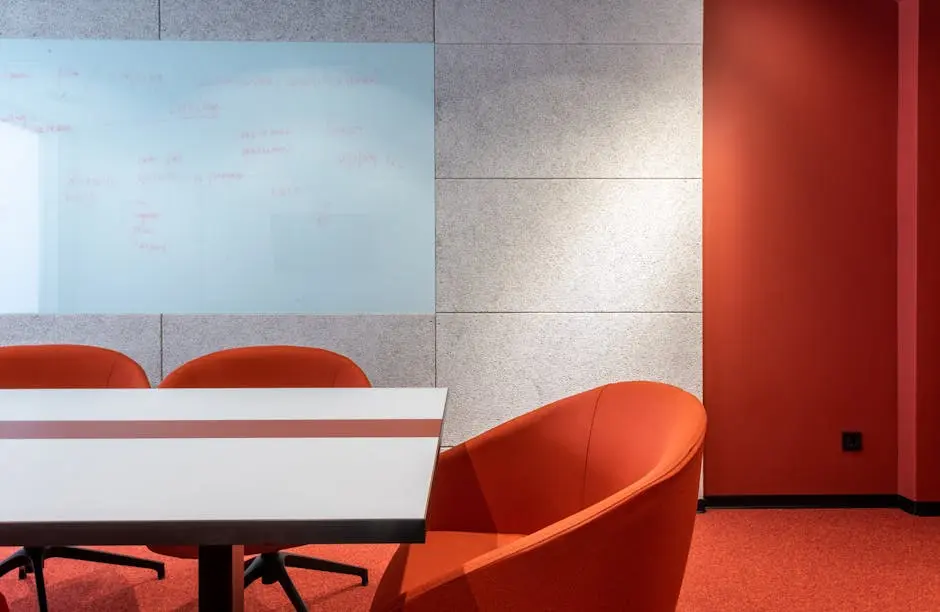
In today’s modern office environments, space is at a premium. As companies seek to create open and collaborative workspaces, finding the right furniture becomes crucial. Conference tables, a staple in any office setting, need to be both functional and space-efficient. Here, we delve into some of the most innovative space-saving conference tables that blend practicality with modern design.
1. Compact Folding Tables
Folding tables offer a versatile solution for offices that need to reconfigure spaces frequently. They are lightweight, easy to store, and ideal for both small and large meetings. These tables can be set up in a matter of minutes, providing a practical solution for dynamic office environments. The benefits of folding tables are particularly noticeable in multi-purpose rooms, allowing spaces to be easily adapted for different events.
Another advantage of folding tables is their capacity for storage efficiency. When meetings adjourn, tables can be folded and nestled into storage closets or against walls, clearing floor space for other activities. This adaptability not only helps in maintaining a clutter-free workspace but also enables businesses to utilize space for multiple functions without compromising on comfort or style.
2. Wall-Mounted Drop-Leaf Tables
Perfect for cozy office spaces, these tables fold down when needed and tuck away neatly against the wall to save valuable floor space. Wall-mounted drop-leaf tables embody efficiency without skimping on style. When folded down, these tables provide ample workspace or meeting area, while occupying zero floor space when not in use.
These drop-leaf tables are an ideal solution for companies that value both aesthetics and practicality. With sleek designs and a variety of finishes, they can complement any office decor. Their unobtrusive nature transforms spaces, offering a seamless blend of form and functionality that modern offices demand.
3. Convertible Conference Desks
These dual-purpose desks transform seamlessly from individual workspaces to a conference setup, maximizing utility in multi-functional areas. Convertible conference desks blur the line between personal and collaborative spaces. In a world where flexibility is key, having furniture that adapts to both solitary work and team meetings is invaluable.
Imagine a desk where you can concentrate on tasks for most of the day, which then morphs into a central conference area when team gatherings occur. This transformation is as simple as rearranging panels or extending sections, making them a favorite in offices where space-utilization is critical. These desks reflect the changing nature of workspaces, focusing on multi-functionality and efficiency.
4. Modular Table Sets
With modular tables, you can customize the layout to fit any room size. You can disconnect or rearrange smaller units to suit the needs of different meetings. This customization aspect makes them particularly valuable in offices that host a variety of events and gatherings. For example, modules can be set up for a larger team meeting one day and then reconfigured for a more intimate setting the next.
The ability to adapt without permanent fixtures gives organizations immense freedom in planning their office layouts. Modular tables embody the flexibility that is becoming increasingly necessary in modern office environments. Their ability to fit any configuration not only optimizes space but also enhances productivity and creativity by providing an adaptable environment for all types of work.
5. Slim Line Tables
Featuring a sleek design, slim line tables offer a contemporary look without sacrificing surface area. They are perfect for narrow rooms and hallways. Their lean build enhances aesthetic appeal while providing practical benefits such as increased legroom and maneuverability. This makes them a popular choice for offices seeking a minimalist aesthetic.
What sets slim line tables apart is their ability to maintain a robust workspace without cluttering the room. By prioritizing lines and angles over bulk, these tables contribute to a clean and crisp office environment. They perfectly align with the modern emphasis on simplicity and functionality, forging a pathway to productive and stylish office settings.
6. Drop-Down Wall Tables
These tables hide away in the wall when not in use, offering a clean and uncluttered look while being readily available for impromptu meetings. They embody the ideal of stored potential, ready to spring into action as soon as the need arises, without cluttering the office space.
The unique design of drop-down wall tables allows for seamless integration with all types of office aesthetics. Their ingenious design makes them a staple in spaces where room function rotates frequently. This hidden treasure adds an element of surprise and practicality, ensuring every inch of your office is effectively utilized.
7. Multi-Purpose Nesting Tables
Nesting tables stack together when not in use, freeing up space. They are perfect for offices that host different-sized groups throughout the day. This stacking ability makes them storage champions, providing a compact footprint when not in use.
The sheer practicality of multi-purpose nesting tables allows for quick adaptation to meeting size and purpose. Whether it’s a spontaneous brainstorming session or scheduled client meeting, the flexibility afforded by nested design supports diverse work settings and ensures a space that is always ready for action.
8. Round Tuck-Away Tables
Round tables maximize seating capacity while maintaining a small footprint, making them great for small meetings and casual catch-ups. Their circular design fosters equal participation, promoting a sense of equality and openness among team members.
Typically tucked away in corners or against walls when not in use, round tuck-away tables offer an easy transition from solo work to team collaboration. This ability to provide space efficiency without compromising interaction quality makes them an essential component in modern flexible office designs.
9. Height-Adjustable Tables
Ergonomic and adaptable, height-adjustable tables allow users to switch between sitting and standing positions, promoting health and comfort. This feature is crucial for maintaining energy levels and preventing the fatigue that comes from long hours seated in meetings.
The design of height-adjustable tables caters to diverse group needs, offering personalized comfort settings that can be customized at the touch of a button or crank. This versatility ensures that workplace wellness is integrated directly into the design of the furniture, elevating both the physical space and the well-being of its users.
10. Glass Conference Tables
Glass tables create an illusion of more space by allowing light to pass through, ideal for smaller rooms aiming for an airy and open feel. The transparency of glass allows for visual continuity, which helps in keeping spaces looking large and uncluttered, a vital feature in compact office spaces.
Additionally, glass conference tables provide a touch of elegance that complements modern office decor. Their reflective surfaces add a layer of sophistication, inviting natural light to play across the surfaces, enhancing the overall ambience with a chic, luminous atmosphere.
11. Corner Fitting Tables
Designed to fit snugly into corners, these tables take advantage of otherwise unused space. This feature is particularly beneficial in making smaller offices functional by utilizing every square foot effectively.
Corner fitting tables transform empty corners into productive spaces, ideal for informal breakout sessions or quick team huddles. They allow offices to maximize seating without creating congestion, contributing to a more orderly and coherent office layout.
12. Expandable Tables
These tables can be extended for larger meetings or reduced when not in use, offering flexibility and efficiency in space management. Expandable tables are a testament to the practicality and adaptability sought after in contemporary office environments.
By incorporating an expandable design, a meeting area can transition from a compact daily usage mode to an accommodating setting for visitors and larger groups seamlessly. This versatility underscores the modern demand for dynamic spaces that cater to every conceivable office function without the need for excessive furnishings.


0 Comments